
Westerpark - Amsterdam

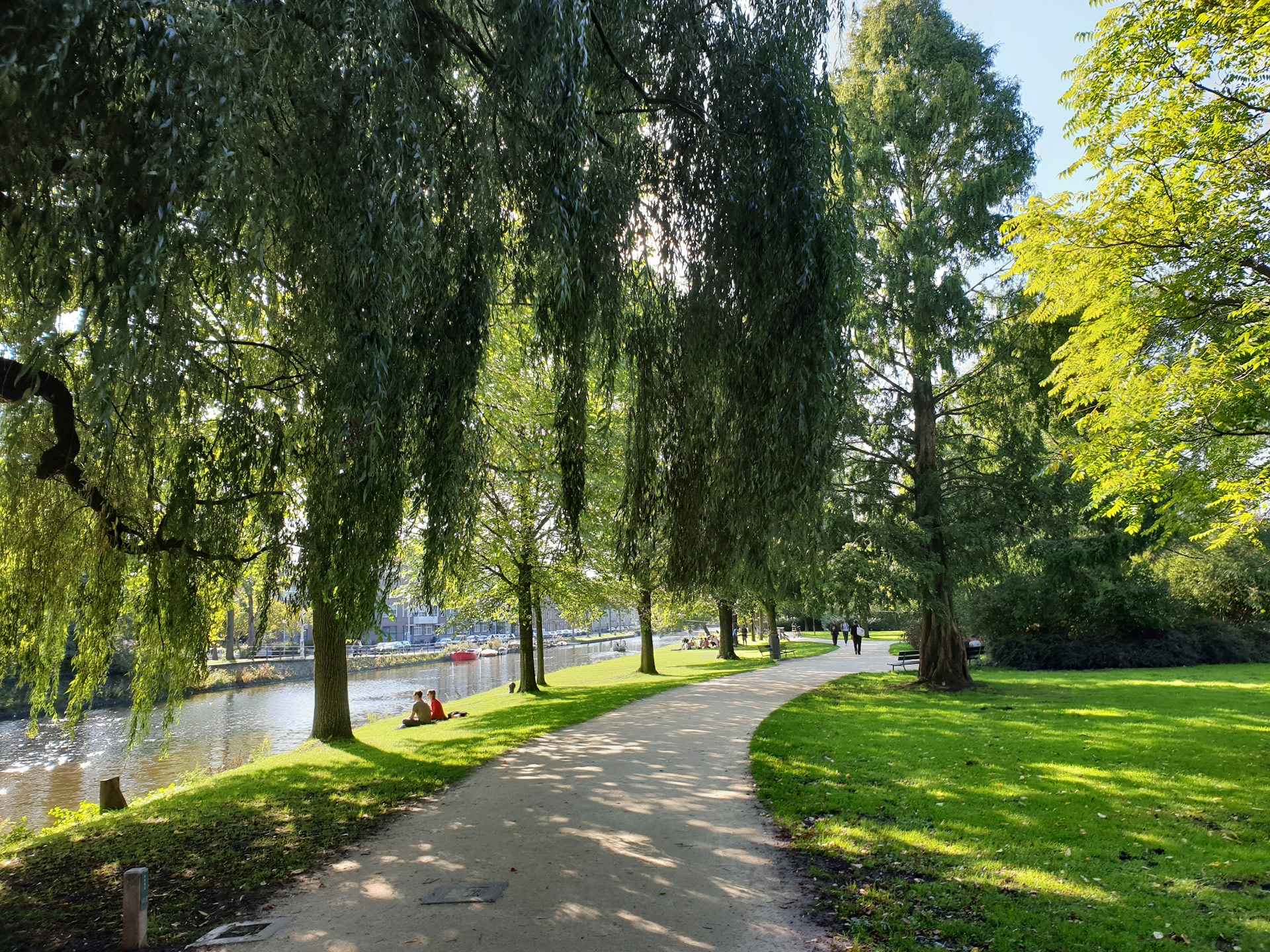
Westerpark is one of the largest and most diverse parks in Amsterdam West. What makes it special is that it’s not just a green space for recreation, but also a place of industrial heritage. The former Westergas factory, now known as Westergas or the Westergas cultural village, lies at the heart of it.
The park’s roots go back to industry. In 1883, the Westergasfabriek opened to produce city gas from coal, providing light, heat and cooking fuel for the people of Amsterdam. At the time, the location was ideal due to its access to waterways for coal transport. It was outside the city then, but not anymore.
The gas production caused serious soil and water pollution. In 1967 the factory shut down, partly due to the arrival of natural gas. The site fell into disrepair. Many buildings were squatted or used for underground parties and alternative art scenes.
This rebellious spirit was intentionally kept alive during the redevelopment in the 1990s. That decade, the city of Amsterdam carried out one of the biggest soil clean ups in the Netherlands. All the old industrial buildings were preserved, and many are now listed as national monuments.
In 2003 the new Westerpark officially opened. Now you can enjoy wide lawns, water features and winding paths surrounding industrial architecture. Concerts and events are often held here, and you’ll find cafés with sunny terraces, creative studios, a music venue, public art and much more.
Right next to Westerpark is the community garden Tuinpark Nut en Genoegen, a huge green space run by local residents.

Westerpark
Westerpark
1014 BE
Amsterdam
Contact details
W: https://www.amsterdam.nl/westerpark/
| Opening hours | |
|---|---|
| Open 24 hours | |